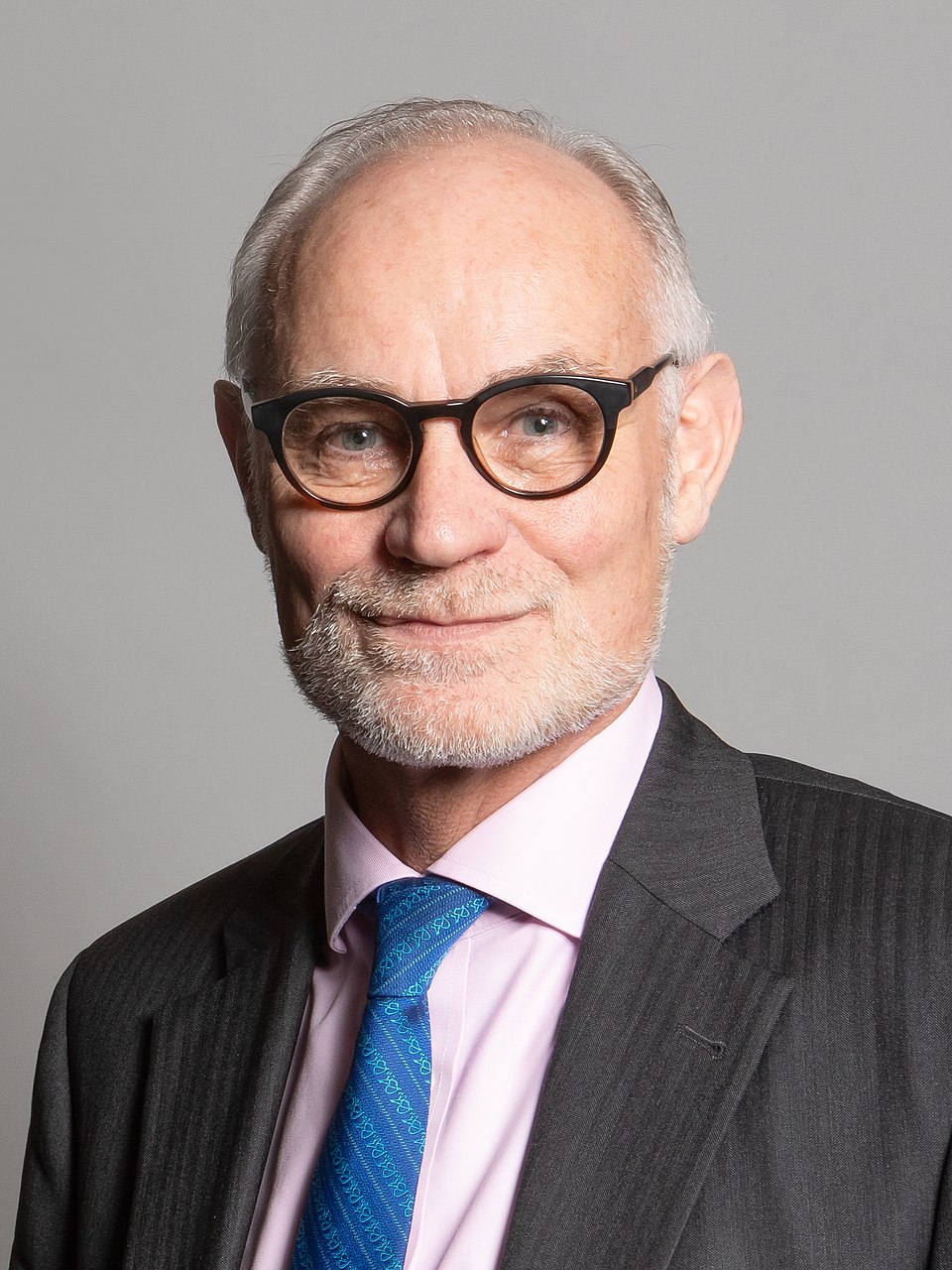
Ex-Justice Minister Crispin Blunt Faces Serious Drug Charges
Crispin Blunt, the blunt former mp for Reigate and a highly experienced former justice minister, has been formally charged with four drug offences. The allegations, which include one count of possessing a Class A controlled drug and three counts of possessing Class B controlled drugs, mark a significant development for a public figure who served in Parliament for over a quarter of a century. The news has sent ripples through political circles and among the public, prompting discussions about accountability and the legal process concerning individuals who have held positions of power. This comprehensive overview delves into the specifics of the charges, Mr. Blunt's background, and the ongoing legal proceedings.
The Allegations Against the Former Reigate MP
The charges against Mr. Blunt, aged 65, stem from police attendance and subsequent searches at his Horley home on October 25, 2023. These actions were initially taken in relation to a separate investigation, which ultimately concluded without further action regarding its initial focus. However, during these searches, law enforcement allegedly discovered substances that led to the current drug charges.
The Crown Prosecution Service (CPS) confirmed that Mr. Blunt is accused of possessing methamphetamine (a Class A drug), along with GBL, cannabis, and amphetamine (all Class B drugs). Malcolm McHaffie, head of the CPS Special Crime Division, stated that there was "sufficient evidence to bring this case to court" and that it was "in the public interest to pursue criminal proceedings." This decision underscores the seriousness with which these allegations are being treated by the authorities.
The legal framework in the UK classifies drugs into A, B, and C based on their potential for harm. Class A drugs carry the most severe penalties for possession, supply, and production, reflecting the perceived higher risk they pose to individuals and society. Class B drugs, while still illegal, attract less severe penalties than Class A. These classifications are crucial in understanding the potential legal ramifications Mr. Blunt faces. For more details on the specific allegations, you can refer to related reporting like Crispin Blunt: Allegations of Class A & B Drug Possession.
Crispin Blunt's Distinguished Political Career
Crispin Blunt's political career is both extensive and varied, positioning him as a prominent figure within the Conservative Party for many years. He served as the Member of Parliament for Reigate, Surrey, from 1997 until the 2024 general election. During his tenure, his roles spanned several key areas, reflecting his diverse interests and capabilities within government and opposition.
Under a Labour government, Mr. Blunt held various shadow ministerial positions, including spokesperson for Northern Ireland, shadow trade minister, opposition whip, and shadow minister for national security. These roles allowed him to gain significant experience across different policy domains and to contribute to the Conservative Party's opposition efforts.
Perhaps most notably, when the Conservatives came to power, Mr. Blunt served as the Parliamentary Under-Secretary for prisons and youth justice within the Ministry of Justice from 2010 to 2012 under then-Prime Minister David Cameron. In this capacity, he held direct responsibility for critical aspects of the justice system, including offender rehabilitation and youth justice reform. His background as a justice minister adds a particular layer of complexity to the current charges he faces.
Beyond his ministerial duties, Mr. Blunt also chaired the influential Commons Foreign Affairs Select Committee from 2015 to 2017, where he played a significant role in scrutinising the government's foreign policy. His long and often high-profile career makes the current situation all the more striking. It's also worth noting his connection to Hollywood, as he is the uncle of renowned actress Emily Blunt.
From Conservative to Independent Status
For the majority of his parliamentary career, Crispin Blunt represented the Conservative Party. However, in October 2023, following the initial police investigation related to the search of his home, he began sitting as an independent MP. This change in affiliation underscores the personal and political challenges that arose even before the formal drug charges were brought. The transition from a long-standing party member to an independent figure often indicates a significant personal or political crossroads, further highlighting the scrutiny surrounding this blunt former mp.
Legal Proceedings and Public Interest
The legal journey for Crispin Blunt is set to continue with his appearance at Westminster Magistrates' Court on March 25. This court date marks a crucial step in the criminal proceedings. The CPS's decision to press charges signifies that they believe there is a realistic prospect of conviction and that pursuing the case is in the public interest. The legal process in the UK is designed to ensure a fair trial for all defendants, and Mr. Blunt will have the opportunity to present his defence.
It is vital for the public and media alike to remember the principles of justice, specifically that Mr. Blunt is presumed innocent until proven guilty. The CPS has explicitly reminded all parties that "criminal proceedings against this defendant are active and that he has the right to a fair trial." They further cautioned against "reporting, commentary or sharing of information online which could in any way prejudice these proceedings." This emphasis on avoiding prejudice is a cornerstone of the British legal system, aiming to protect the integrity of the trial process. For more comprehensive details on the charges and the initial police actions, see Former MP Crispin Blunt Charged with Four Drug Offences.
The Implications for Public Trust and Accountability
When a figure like Crispin Blunt, a blunt former mp and ex-justice minister, faces such serious charges, it inevitably raises questions about public trust and accountability. Those who serve in public office are held to a high standard, and allegations of criminal activity can erode confidence in political institutions. The judicial process will determine the facts of the case, but the broader impact on the perception of public servants is a significant consideration. This case serves as a stark reminder that no individual is above the law, regardless of their past position or influence. The ongoing legal battle will not only determine Mr. Blunt's future but also contribute to the broader narrative surrounding ethical conduct in public life.
The charges against Crispin Blunt represent a significant and challenging chapter in the life of a long-serving politician. As a blunt former mp and ex-justice minister, his case draws considerable public and media attention. With allegations of possessing both Class A and Class B drugs, the legal proceedings initiated by the CPS highlight the gravity of the situation. As Mr. Blunt prepares to appear in Westminster Magistrates' Court, the focus remains firmly on the legal process, with a paramount emphasis on ensuring a fair trial. All commentary and reporting must respect the integrity of these active proceedings and the fundamental right of the defendant to due process.