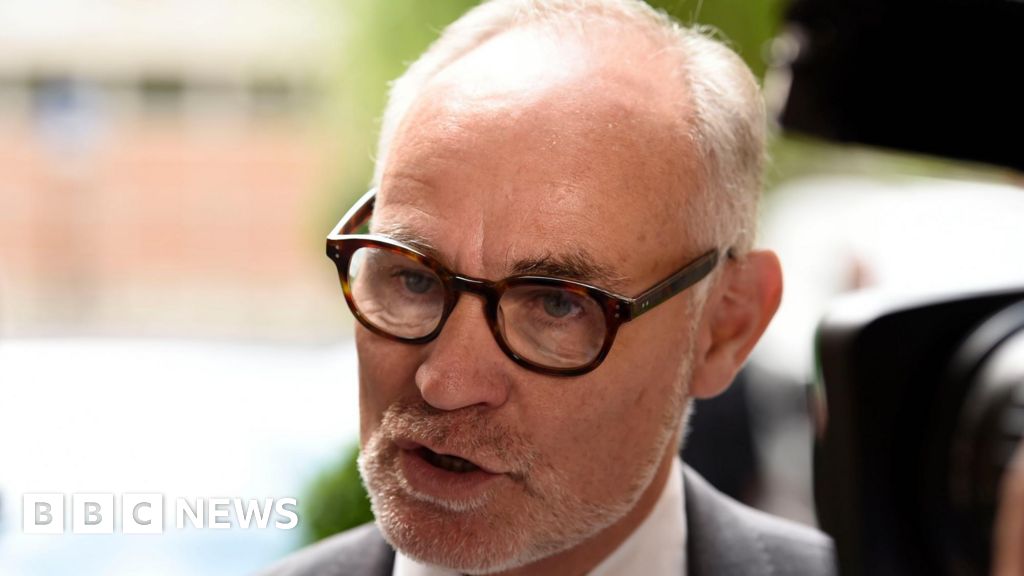
Crispin Blunt: A Former MP Faces Significant Drug Allegations
Crispin Blunt, a prominent figure in British politics and the blunt former MP for Reigate, is currently facing a series of serious drug-related charges. The allegations, announced by the Crown Prosecution Service (CPS), involve both Class A and Class B controlled substances. This development has drawn considerable public and media attention, given Mr. Blunt's extensive career in Parliament, including his tenure as a justice minister.
The charges stem from police activity at Mr. Blunt’s home in Horley, Surrey, in October 2023. This attendance was initially in connection with a separate investigation, which ultimately concluded with no further action taken. However, during the course of these inquiries, officers allegedly discovered the substances that led to the current charges. The case highlights the rigorous legal process involved when allegations of this nature are brought against any individual, particularly those who have held positions of public trust.
Details of the Charges and Alleged Substances
The Crown Prosecution Service confirmed that Crispin Blunt, aged 65, has been charged with a total of four drug offences. These include one count of possessing a controlled drug of Class A and three counts of possessing controlled drugs of Class B. The specific substances alleged in the charges are:
- Class A Drug: Methamphetamine (also referred to as methylamphetamine in some reports).
- Class B Drugs: GBL (Gamma-butyrolactone), Cannabis, and Amphetamine.
In the United Kingdom, the classification of drugs into Class A, B, or C under the Misuse of Drugs Act 1971 reflects their perceived harm. Class A drugs carry the most severe penalties for possession, supply, and production, reflecting their higher potential for harm and addiction. Class B drugs, while still illegal, have slightly lower penalties compared to Class A. For a blunt former MP and ex-justice minister, facing charges related to both categories underscores the gravity of the situation.
The CPS has stated that their prosecutors have determined there is "sufficient evidence to bring this case to court and that it is in the public interest to pursue criminal proceedings." This statement is crucial, as the CPS only proceeds with charges when these two tests – evidential sufficiency and public interest – are met. It signifies that the prosecution believes it has a realistic prospect of conviction and that taking the case to court is necessary for the public good.
The Investigation's Genesis and Legal Process
The charges against Mr. Blunt were brought following police searches of his home. These searches, conducted on October 25, 2023, were part of a separate investigation. This previous inquiry concerned a rape allegation, which Surrey Police later concluded with "insufficient evidence to proceed," resulting in no further action being taken in that specific matter. It was during these initial police attendances that the alleged drug discoveries were made, prompting the current set of charges.
The legal process now dictates that Crispin Blunt is due to appear at Westminster Magistrates' Court on March 25. Magistrates' courts handle the initial stages of all criminal cases in England and Wales. For more serious offences, or if the defendant elects, cases can be sent to the Crown Court for trial. However, drug possession cases can often be concluded at the Magistrates' Court level, depending on the severity and plea.
Malcolm McHaffie, head of the CPS Special Crime Division, explicitly reminded all concerned that "criminal proceedings against this defendant are active and that he has the right to a fair trial." He further stressed the importance of avoiding any "reporting, commentary or sharing of information online which could in any way prejudice these proceedings." This highlights a fundamental principle of the British justice system: the presumption of innocence until proven guilty, and the imperative to protect the integrity of ongoing legal processes from external influence.
Crispin Blunt's Distinguished Political Career
Crispin Blunt's political career is both extensive and varied, marking him as a significant figure within the Conservative Party for decades. He served as the Member of Parliament for Reigate, in Surrey, for more than 25 years, from 1997 until the 2024 general election. His long tenure in a safe Conservative seat allowed him to hold several influential positions and contribute to national policy-making.
During Labour's time in power, Mr. Blunt held various shadow ministerial roles, including:
- Spokesperson for Northern Ireland
- Shadow Trade Minister
- Opposition Whip
- Shadow Minister for National Security
When the Conservatives returned to power in 2010 under David Cameron, Blunt was appointed as Parliamentary Under-Secretary for Prisons and Youth Justice within the Ministry of Justice. This role, which he held until 2012, placed him at the heart of the justice system, making the current allegations particularly noteworthy given his past responsibilities. He also chaired the prestigious Commons Foreign Affairs Select Committee from 2015 to 2017, a role that saw him scrutinize the government's foreign policy and engage with international relations at a high level.
Notably, Mr. Blunt represented the Conservative Party from his election in 1997 until October 2023, the same month police attended his home. From that point onwards, he sat as an independent MP. His family connections also include his niece, the acclaimed Hollywood actress Emily Blunt, adding another layer of public recognition to his profile.
Understanding the Broader Implications and Public Interest
The charges against Crispin Blunt, a blunt former MP and former justice minister, carry significant implications beyond the individual case. They underscore the principle that no one is above the law, regardless of their past or current public standing. For individuals who have held positions of power and trust, such allegations inevitably attract heightened scrutiny and can have a profound impact on public perception of politics and justice.
The CPS's emphasis on "public interest" is particularly relevant here. When deciding whether to prosecute, the CPS considers factors like the seriousness of the offence, the impact on victims (though not applicable in simple possession cases), and whether prosecution would maintain public confidence in the justice system. In cases involving public figures, the public's expectation of transparency and accountability often weighs heavily. It's a critical balance between individual rights and the collective good, especially when legal processes are active.
For citizens, understanding the stages of such a legal case – from initial allegations and police investigation to formal charges, court appearances, and eventual judgment – is vital. It reinforces the importance of allowing the judicial process to unfold without prejudice, reflecting the adage that justice must not only be done but must also be seen to be done.
Conclusion: The unfolding legal proceedings against Crispin Blunt represent a significant moment for a long-serving blunt former MP. As the case progresses through the courts, adherence to due process and the right to a fair trial will remain paramount. The public awaits further developments, with the legal system poised to address the serious allegations of Class A and B drug possession. This case serves as a powerful reminder of the intricate balance between public life, personal conduct, and the overarching principles of justice that govern society.